
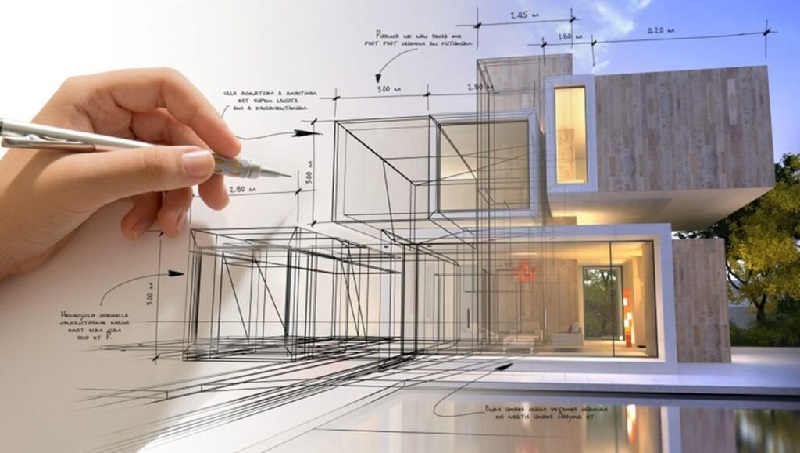
Architectural Design
Architectural Design is a creative and technical process through which the form, structure, function, safety, and aesthetics of a building are planned and developed. It is not just about drawing walls and rooms—rather, it is the art and science of shaping spaces that enhance human living, reflect culture, and ensure long-term usability.
Why Architectural Design Matters
1. Ensures Functionality
A well-planned design enhances the purpose of the space—whether it is a home, office, restaurant, or commercial facility—so every area serves its intended function effectively.
2. Guarantees Safety and Stability
Architectural design works hand-in-hand with structural requirements to make buildings resilient against natural forces such as earthquakes, heavy wind, or rainfall.
3. Creates Aesthetic Value
A beautiful building reflects personality, modern lifestyle, and thoughtful design. Good architecture enriches both visual appeal and the user experience.
4. Promotes Cost Efficiency
Accurate design minimizes future construction errors, prevents unnecessary expenses, and ensures smart use of materials and space.
5. Supports Sustainability
Modern architecture focuses on eco-friendly materials, proper ventilation, natural light, energy efficiency, and environmentally responsible designs.
Key Stages of Architectural Design
1. Concept Development
Initial discussions, client requirements, goals, and budget considerations lead to early sketches or conceptual ideas.
2. Schematic Design
Floor plans, room layouts, circulation paths, and initial measurements are prepared to create a basic design framework.
3. Design Development
Materials, aesthetics, space optimization, and technical details are refined for a complete, realistic design.
4. Construction Documents
Detailed drawings such as elevations, sections, working drawings, electrical plans, and plumbing layouts are produced.
5. Supervision (Optional)
Monitoring the construction process to ensure everything is built according to design specifications.
Types of Architectural Design
- Residential Architecture (Homes, Duplexes, Apartments)
- Commercial Architecture (Offices, Shops, Restaurants)
- Landscape Architecture
- Interior Architecture
- Industrial / Factory Design
- Educational & Institutional Design
- Urban & Community Planning
Popular Modern Design Trends
- Minimalist and clean aesthetics
- Open-floor layouts
- Smart home integration
- Green building concepts
- Sustainable materials
- Full-glass facades
- Mixed-use developments
Technology in Architectural Design
Today’s architectural process is advanced through:
- AutoCAD
- SketchUp
- Revit (BIM)
- Lumion / Enscape / V-Ray
- 3D visualization & animations
These tools help architects present realistic models and ensure accuracy throughout the project.
Conclusion
Architectural Design shapes environments that are functional, safe, beautiful, and sustainable. It is a comprehensive approach that transforms a vision into a living reality. A well-designed building stands the test of time and enhances the quality of life for the people who use it.
Ready to order your project ?
Subscribe
Want to be notified about our News. Just sign up and we'll send you a notification by email.